Autumn does a lot of the hard work for you. The soil is still warm from summer, rain takes over the watering, and roots have weeks of gentle growing weather before the cold really bites. For most trees, shrubs, bulbs and hedging, it is a better planting window than spring. Here is how to use September, October and November well, without turning the garden into a second job.
September: tidy, divide and sow
September is a month of small, satisfying jobs. Walk the garden with a mug of tea and a rough list, then work through it over a few weekends rather than one long Saturday.
- Deadhead annuals and bedding to keep them going a little longer, but stop once they look tired. Leave seedheads on teasels, sunflowers and echinacea for the birds.
- Collect seed from your own plants — calendula, nigella, poppies. Tip it into paper envelopes, label with the name and date, and store somewhere cool and dry. Paper breathes; plastic sweats.
- Divide crowded perennials. Lift a clump of hardy geranium, heuchera or iris with a fork, split it with two forks back to back, replant the healthiest pieces and water them in.
- Repair the lawn. Early to mid-September is prime time for sowing grass seed or laying turf, because the soil is warm and damp.
- Order bulbs now, before the varieties you actually want sell out.
- Plant autumn onion sets. Hold garlic until October, when a bit of cold helps it crop better.
October: bulbs, bulbs and more bulbs
As a rough guide, plant a bulb at two to three times its own depth. A chunky daffodil bulb goes in about 10–15cm down, measured from the base of the bulb, not the tip. If you get that roughly right, most bulbs will forgive everything else.
Where you put them matters more than how you plant them. A few suggestions:
- Daffodils and narcissi in rough grass you can leave unmown until June, or in borders where the dying foliage will be hidden by emerging perennials.
- Alliums among herbaceous plants, so their untidy leaves are masked as the border fills out.
- Crocus and snowdrops somewhere you walk past daily — a path edge, a pot by the front door.
- Tulips left until November. Planting them late reduces the risk of tulip fire, a fungal problem that thrives in a warm, wet autumn.
- Small bulbs such as grape hyacinth, scilla and pushkinia for pots and rockery edges.
For containers, try lasagne planting: a layer of compost, then the biggest, latest bulbs such as narcissi, then tulips, then crocus near the surface. You get months of flowers from one pot. Cover the compost with grit or a sheet of chicken wire if squirrels dig up your efforts every year.
Leaves: free mulch, free compost
Falling leaves are one of the best things autumn gives you, provided you move them. Rake little and often rather than letting a thick, wet mat build up — it smothers grass, blocks light and turns paths greasy.
Leaf mould is the reward. Pack damp leaves into black bin bags with a few holes punched in them, or build a simple wire cage in a corner, and leave it alone. Oak, beech and hornbeam break down slowly; sycamore, lime and poplar are quicker. After a year or two you have a crumbly, dark material that is perfect as a mulch or seed-sowing mix.
Leave a few undisturbed piles under hedges and behind sheds. Hedgehogs, beetles and frogs use them, and you will barely notice they are there. In the compost bin, add leaves in thin layers only; a thick dump of them goes slimy and slows everything down.
Lawn care before the cold sets in
Autumn is the lawn's main repair season, not spring. Aerate by pushing a garden fork into the turf every few inches, about 10–15cm deep, and wiggling it slightly. If compaction is bad, hire a hollow-tine aerator and brush a sandy top dressing into the holes.
Scarify to pull out dead thatch, then feed with an autumn lawn feed — lower in nitrogen, higher in potassium, so it hardens growth rather than pushing soft, sappy leaves just as the frosts arrive.
Raise the cutting height as growth slows, and keep mowing until growth stops, which is usually late October or into November depending on where you are. Never mow when the grass is frozen or when a frost is forecast. You will bruise the blades and leave brown footprints across the lawn for weeks.
Pruning: what to cut, what to leave
The single most useful rule is this: shrubs that flower in spring on last year's growth should not be pruned now. Cut them in autumn and you remove the flower buds that are already sitting there, waiting.
- Leave until after flowering next year: forsythia, lilac, philadelphus, weigela, deutzia.
- Can be tidied now or in early spring: buddleja, hydrangea paniculata, lavatera and other summer flowerers.
- Roses: remove diseased, crossing or rubbing stems and shorten long whippy growth that will rock in winter wind. Save the hard prune for late winter.
- Ornamental grasses and seedheads: leave them standing. Miscanthus, echinacea, sedum and teasel give structure through the dull months, food for birds and shelter for insects. Cut back in late February or March, when you can see new growth at the base.
- Collapsed perennials: cut back, but leave some hollow stems 20–30cm tall. Solitary bees and other insects overwinter in them.
If you are not sure whether a plant flowers on old wood or new, check before you cut. A wrong snip in October costs you a whole year of flowers.
Pots, tools and tender plants
Move pots onto feet or into a sheltered corner against a wall, and group them together for mutual protection. Terracotta cracks in a freeze-thaw cycle, so if a pot matters to you, bring it in or wrap it.
Bring tender plants under cover before the first frost: pelargoniums, fuchsias, citrus, olives, standard bays. Check the pots and foliage for pests first, because a warm greenhouse turns a small problem into a big one. Insulate the glass with bubble wrap, but keep ventilating on mild days — damp, still air causes more damage than cold.
Then deal with the shed. Clean and oil hand tools, sharpen secateurs, drain and coil hosepipes, and store canes and netting somewhere dry. Twenty minutes now saves replacing things in spring.
Finish strong before winter
From November, bare-root season begins. Roses, hedging, fruit trees and ornamental trees arrive dormant and ready to go in, usually with more choice and better establishment than potted plants. Put them in while the soil is workable — not frozen, not waterlogged — and mulch around them afterwards, keeping the mulch clear of the trunk or stem.
If you do nothing else this autumn, do these five things: rake the leaves, plant your bulbs, aerate the lawn, move the pots and clean the tools. Everything else can wait for a dry weekend in February.
- Rake leaves weekly, and bag the surplus for leaf mould
- Plant bulbs at two to three times their own depth
- Aerate and feed the lawn, then raise the cut height
- Prune summer-flowering shrubs; leave spring flowerers alone
- Bring tender plants in and insulate the greenhouse
- Order bare-root trees, roses and hedging for November planting
Autumn gardening is mostly about setting things up rather than watching them grow. Do the work now, and next spring the garden will look as though it happened by itself.
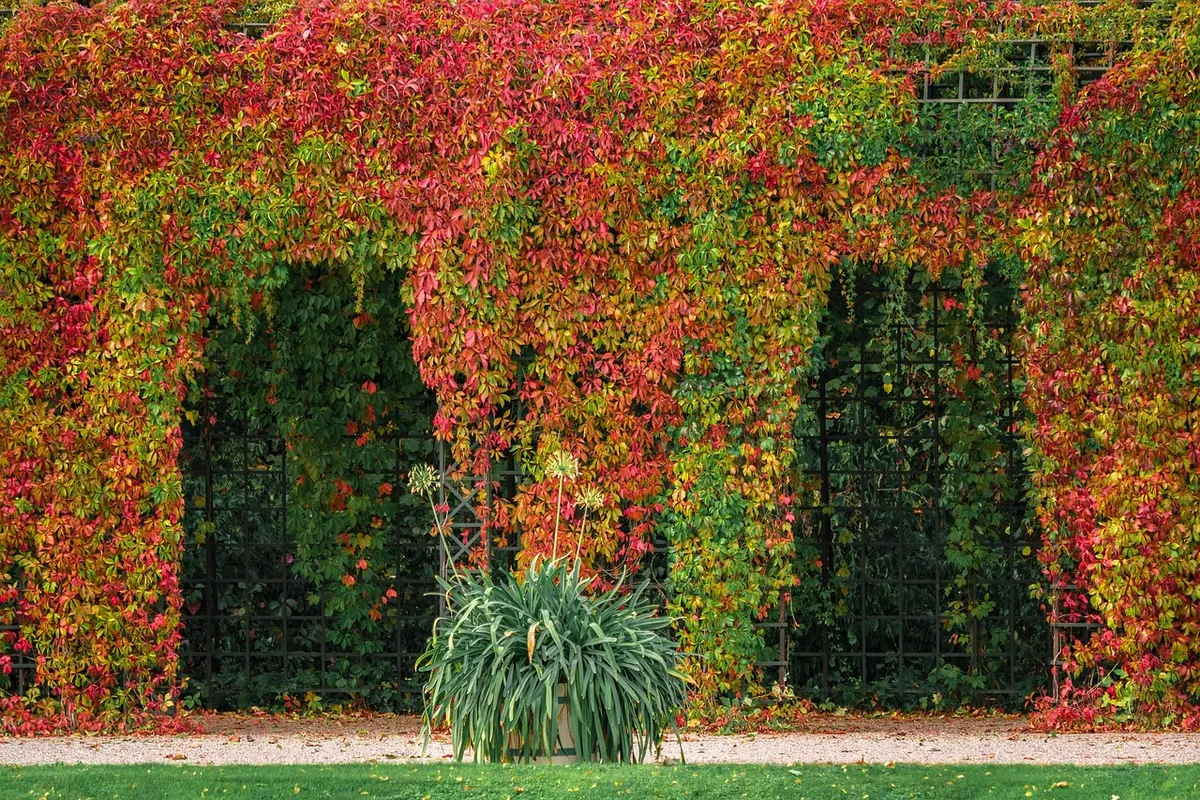
Photo: ChiemSeherin / Pixabay