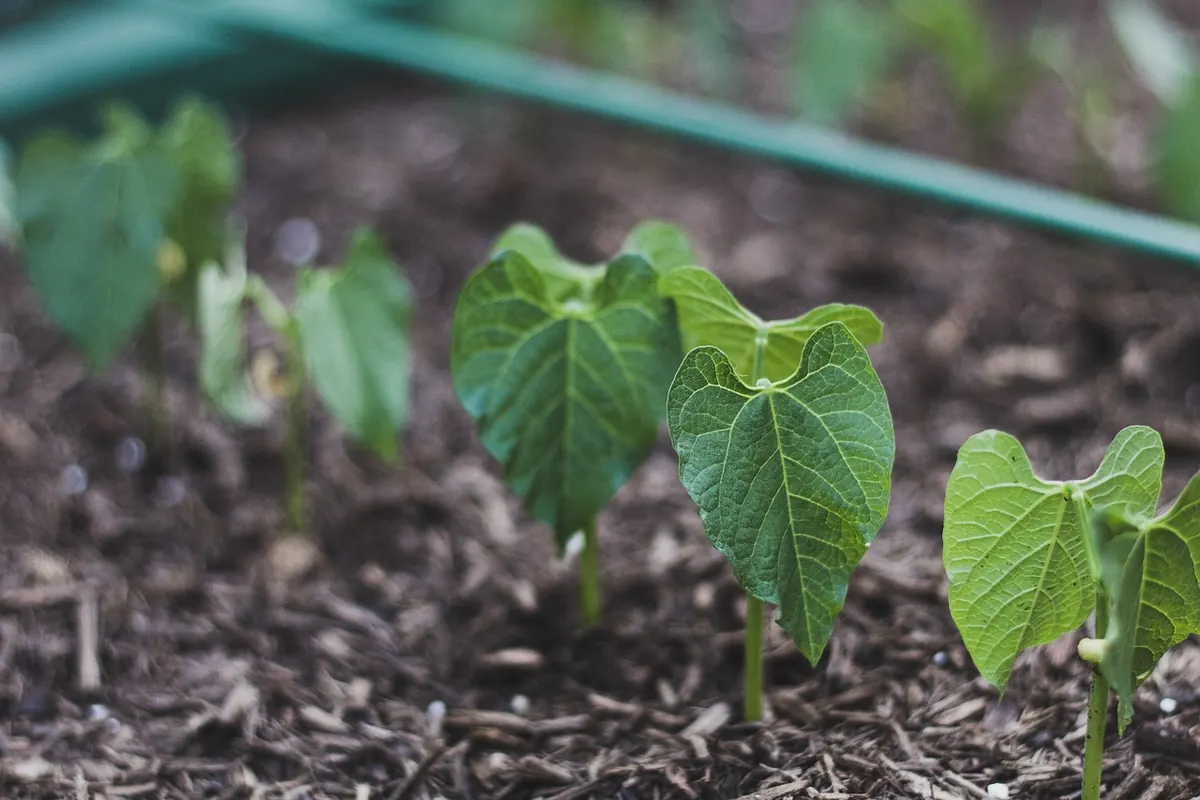
Raised beds earn their place in small gardens. They warm up earlier in spring, they let you sort out the soil once instead of fighting heavy clay or stony chalk every year, and they keep a modest yard looking like a garden rather than a building site. You do not need a joiner's workshop or a big budget. A few boards, a bulk delivery of compost and a Saturday morning will get you growing.
Start With the Space, Not the Timber
Walk around your garden at midday and again in late afternoon before you buy anything. Most vegetables want six hours of direct sun; salads, chard and herbs will manage on four. If your plot is shaded, put the bed in the sunniest corner you have and ignore the compass.
Width matters more than length. A bed you can reach across from both sides should be no wider than 1.2m. If it sits against a fence or wall, keep it to 60–75cm so you are not stretching over wet soil to reach a tomato. Length is whatever fits.
Leave paths you can actually use: 45cm for a narrow grass path, 60cm or more if you want to push a wheelbarrow. And think twice about siting a bed against long grass or a damp, shady boundary. That is a slug hotel with a view.
Sizing, Timber and Drainage
Depth depends on what you intend to grow. Roughly:
- 15–20cm: salad leaves, radishes, herbs, strawberries, if the bed sits on decent soil.
- 25–30cm: carrots, onions, chard, dwarf beans, most leafy crops.
- 40cm and up: potatoes, parsnips, maincrop carrots and anything with a long taproot or a lot of top growth.
For the frame, pressure-treated softwood is the practical choice and is widely used for vegetable beds. Scaffold boards work well, and untreated oak or larch will last years if you are happy to pay for it. Avoid old railway sleepers soaked in creosote, and be wary of salvaged timber you cannot identify.
Beds open to the ground need no special drainage; the soil underneath does the work. Over paving, you have two options: move the bed onto soil, or raise it on slabs and put 5–8cm of gravel, broken pots or rubble in the base before filling. Do not line the bottom with plastic. If you are building on grass or weeds, lay down wetted cardboard, overlap the edges generously, and fill straight on top.
Filling the Bed Without Buying a Vanload of Compost
A bed measuring 2.4m by 1.2m and 25cm deep holds roughly 720 litres of material — about fifteen 50-litre bags, which is where the cost creeps up. Bulk bags and a shared delivery with a neighbour make far more sense.
A reliable mix is roughly 40 per cent topsoil, 40 per cent peat-free multipurpose compost or garden compost, and 20 per cent well-rotted manure or leaf mould. If you already have decent soil in the ground, use that as your base and buy the rest. Water the bed as you fill it and let it settle naturally rather than tamping it down; you want air in there. Fill to about 3–5cm below the rim so you have room to mulch and water without washing everything over the edge.
Watering, Feeding and Looking After the Soil
Raised beds dry out faster than open ground because more of the soil is exposed to air. Water deeply and less often rather than giving a light sprinkle every evening — push a finger in and check before reaching for the can. A soaker hose or drip line on a timer takes the guesswork out of a hot week.
Mulch 5cm deep with compost, straw or a thin layer of grass clippings. It holds moisture, suppresses weeds and feeds the soil as it breaks down. Most beds filled with a good compost mix will carry crops through a season without extra feeding, though tomatoes, courgettes and peppers appreciate a high-potash feed once they start flowering. Each autumn, fork off any weeds and top up with 3–5cm of compost. No digging required, and never walk on the soil — that is the whole point of a raised bed.
What to Plant in Your First Year
Be modest. One bed planted well beats three beds full of wilting seedlings.
- Almost foolproof: cut-and-come-again salad leaves, radish, chard, spring onions, kale, mint (in a pot sunk into the bed, or it will take over).
- Good value: dwarf French beans, courgettes, bush tomatoes, strawberries, garlic.
- Worth the depth: carrots and parsnips in a 30cm-plus bed, maincrop potatoes in 40cm.
Resist cramming. A courgette needs 60–90cm of space; tomatoes want 45–60cm; lettuces are happy at 20–25cm. Sow salad and radish in small batches every two or three weeks from spring onwards so you are not drowning in one harvest. Radishes sown between rows of carrots mark the line while the carrots germinate, and they are pulled before the carrots need the room.
A Simple Year in the Bed
Spring: top up compost, sow hardy salads and radish, plant out anything you raised indoors once the last frost has passed. Summer: water deeply, pick often, keep on top of weeds while they are small. Autumn: clear spent crops, sow green manure or plant garlic and overwintering broad beans. Winter: leave the soil covered, mulch if you have it, and plan next year over a cup of tea.
Start With One Bed
Build a single bed this year, fill it properly and grow a handful of things you actually eat. Watch how the light moves, how quickly it dries out and where the slugs come from — that knowledge is worth more than any elaborate plan. Add a second bed next spring when the first one has proved itself. If you rent, check your tenancy before digging or building anything permanent.
Photo: 13467596 / Pixabay