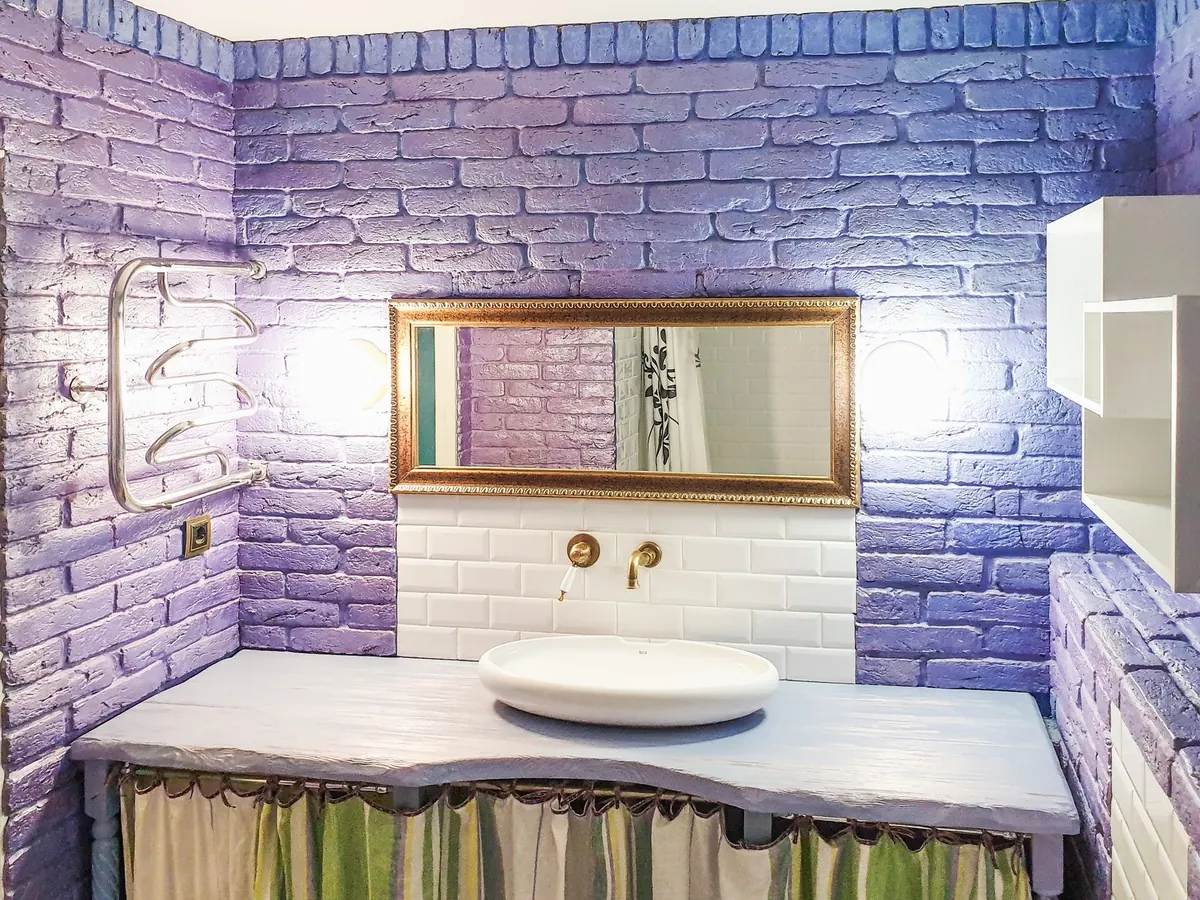
There's a particular kind of disappointment in scrubbing a bathroom until it shines, then spotting those grey speckles creeping back along the silicone three weeks later. Mould is not really a cleaning problem. It is a moisture problem that happens to look like one. Kill the mould without dealing with the water that feeds it, and you have simply set a timer for its return.
Why mould keeps coming back to the same places
Mould needs three things: spores, a food source and moisture. Spores are in the air all around us, so that box is always ticked. The food source is usually the bathroom itself — soap scum, shampoo residue, body oils, dust, dead skin and traces of conditioner. Moisture is the part you can actually control.
Most bathroom cleaning attacks the visible growth and leaves the moisture untouched. Bleach will lift black staining from a tile or a bath edge, but it doesn't reach into porous grout or the wall behind a bead of silicone. Mould that has taken hold inside silicone generally can't be scrubbed out at all — the sealant has to be cut away and replaced.
Condensation is usually the culprit
A hot shower puts a lot of water vapour into the air. In a sealed bathroom it has nowhere to go, so it drifts until it finds a cold surface: the window, the mirror, the ceiling above the shower, the wall behind the toilet cistern, the grout lines on an outside wall. When warm, moist air meets something cold, it condenses into fine droplets. Those droplets sit on grout and sealant, and within a day or two they begin to feed mould.
Everyday habits that make it worse
- Drying washing on the bathroom radiator or over the bath
- Leaving wet towels in a heap on the floor or over the door
- Showering with the door open, so steam spreads through the house
- Keeping the bathroom cold — cold surfaces condense faster
- Leaving the shower running while you dry off and get dressed
None of these are unreasonable things to do. But each one either adds moisture to the room or takes away the warmth that keeps it suspended in the air.
Ventilation and extractor fans
The fix for condensation is moving moist air outside, quickly. Open a window during and after a shower, or run the extractor fan, and keep the bathroom door closed so the steam doesn't simply migrate into bedrooms and land on cold windows there. Fifteen minutes is a sensible target once the water is off.
Is your fan actually doing anything?
Plenty of bathroom fans look busy while shifting almost no air. Work through these checks:
- The tissue test. Hold a square of toilet paper near the grille while the fan runs. If it holds firmly, there is decent pull. If it flaps weakly or drops, the fan or the duct is the problem.
- Clean the grille and, if it has one, the filter. Fluff and dust cut airflow more than most people expect.
- Check the ducting. A flexible hose that sags, kinks or is squashed into a loft can reduce a good fan to nearly nothing. So can a long run, or one that ends in the loft rather than outside — that just moves damp air somewhere else.
- Check the outside flap isn't stuck, jammed or blocked by a nest.
- Look at the controls. A fan wired to the light switch stops the moment you leave the room, which is exactly when the air is still loaded with moisture. A run-on timer or humidity sensor is far more useful.
If your fan is noisy but weak, or was a cheap model that was never suited to the size of the room, replacing it is usually better than repairing it. It's a straightforward job for an electrician and one of the most effective changes you can make.
When it isn't condensation
If ventilation is sorted and mould still returns, or you notice damp patches, tide marks, bubbling paint or a musty smell elsewhere, look for a leak or a damp problem instead:
- A dripping waste trap, a weeping pipe under the basin, or a leaking toilet seal
- Failed grout or silicone letting water get behind the tiles
- A leak from above — a neighbouring flat, a gutter or a roof
- Penetrating damp through an outside wall, or rising damp at low level
Those need a plumber, a roofer or a damp specialist rather than a bottle of spray. If you rent, damp and mould is generally something your landlord should deal with — report it in writing and keep a record. Your local council's environmental health team or Citizens Advice can advise if nothing happens. If anyone in the home has asthma, allergies or another respiratory condition and the mould keeps returning, speak to a GP about it.
A weekly routine that keeps mould away
Once moisture is under control, a short routine stops things drifting back.
- Squeegee the walls, screen and tray after every shower. Thirty seconds removes most of the water before it can evaporate.
- Leave the window open or the fan running for at least 15 minutes afterwards.
- Once a week, spray the silicone, grout lines and the bottom of the shower screen with a diluted white vinegar solution or a mild bathroom cleaner. Leave for ten minutes, then rinse and dry.
- Wash towels and bath mats weekly and dry them properly — a damp towel on a hook is a mould nursery.
- Clean the extractor grille once a month.
- Deal with the first speck of mould straight away: spray, leave it to work, wipe and dry. Scrubbing dry growth just throws spores into the air.
- Warm the bathroom before and during showering. A quick burst of heat on a cold morning makes a real difference.
Never mix bleach with vinegar or other acidic cleaners — the fumes are harmful.
Where to start this weekend
Work out which problem you actually have. Condensation on windows and mirrors means ventilation first: fan, window, habits. Mould returning to one corner of a wall or ceiling after every clean points to a leak or a cold spot, so get it looked at. Mould only inside the silicone usually means new silicone.
And accept that some stains never come out. Black mould that has grown into a bead of sealant leaves permanent marks, and no amount of bleaching will shift them. Cutting out the old bead and running a fresh one takes an hour, gives you a clean start, and — with the moisture finally under control — it stays clean.
Photo: Алексей Вечерин / Pexels